
Date Log
Copyright (c) 2026 Josephine Chalyzta Riduvan FN, Ima Hidayati Utami, Fitri Hariana Oktaviani (Author)

This work is licensed under a Creative Commons Attribution 4.0 International License.
The Construction of Meaning in Women’s Leadership within a Masculine Industry: A Qualitative Study of a Delivery Service Company

Corresponding Author(s) : Josephine Chalyzta Riduvan FN
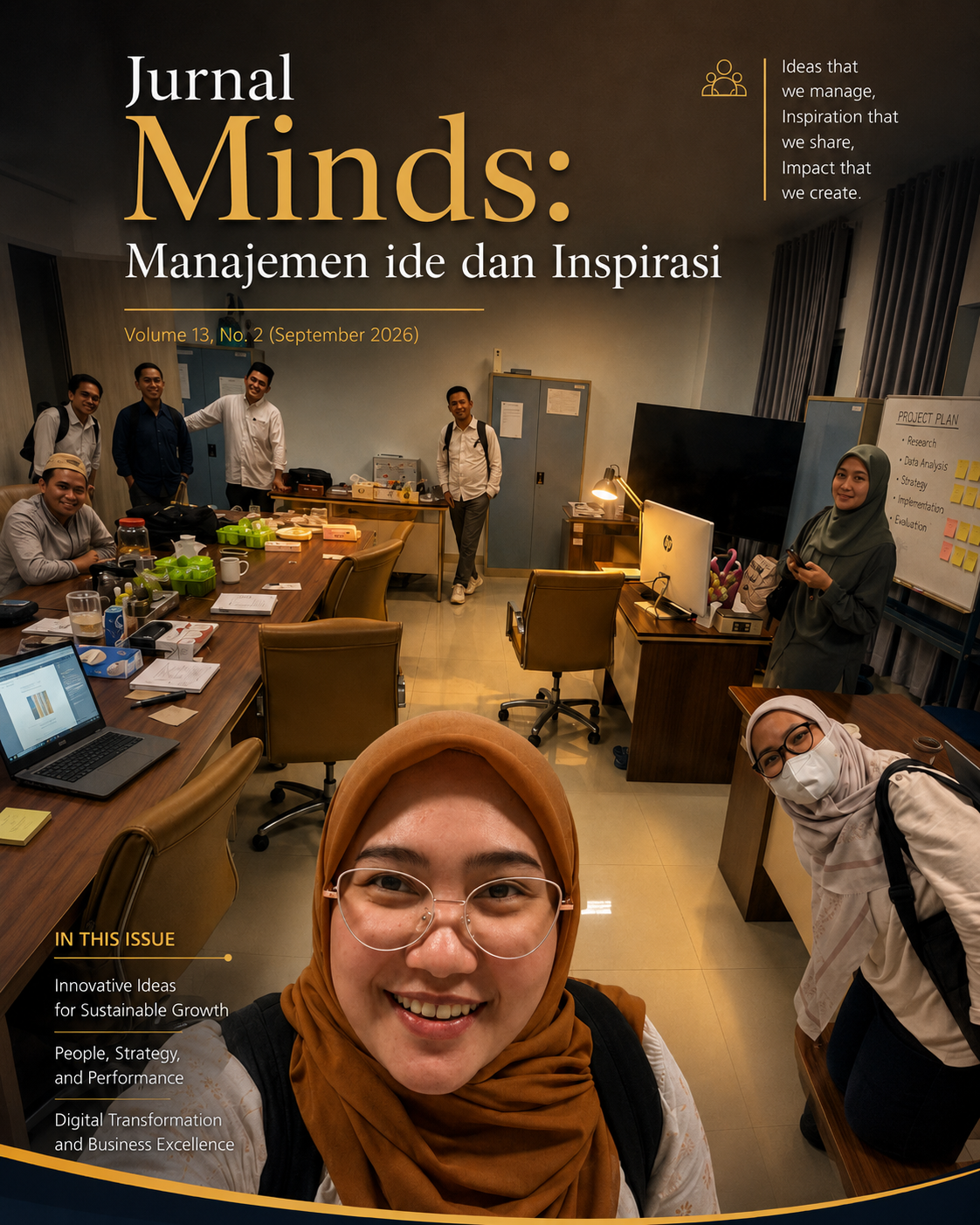
Jurnal Minds: Manajemen Ide dan Inspirasi,
Vol. 13 No. 2 (2026): September
Abstract
Keywords
Download Citation
Endnote/Zotero/Mendeley (RIS)BibTeX
- Acker, J. (1990). Hierarchies, jobs, bodies: A theory of gendered organizations. Gender & Society, 4(2), 139–158.
- Adamson, M. (2017). Postfeminism, neoliberalism and a “successfully” balanced femininity in celebrity CEO autobiographies. Gender, Work & Organization, 24(3), 314–327.
- Arendt, H., & Buzzanell, P. M. (2019). Feminist organizational communication studies: Engaging feminist perspectives in the study of organizations. Communication Theory, 29(2), 141–160.
- Barge, J. K., & Little, M. (2008). A discursive approach to skillful activity. Communication Theory, 18(4), 505–534.
- Biernat, M., & Kobrynowicz, D. (1997). Gender and race-based standards of competence. Journal of Personality and Social Psychology, 72(3), 544–557.
- Bulmer, E., Riera, M., & Rodríguez, R. (2021). The importance of sustainable leadership amongst female managers in the Spanish logistics industry. Sustainability, 13(12).
- Buzzanell, P. M. (2021). Reflections on feminist organizational communication. Management Communication Quarterly, 35(1), 127–141.
- Cheney, G., Christensen, L. T., Zorn, T. E., Jr., & Ganesh, S. (2010). Organizational communication in an age of globalization (2nd ed.). Waveland Press.
- Chikwe, C. F., Eneh, N. E., & Akpuokwe, C. U. (2024). Navigating the double bind: Strategies for women leaders in overcoming stereotypes and leadership biases. GSC Advanced Research and Reviews, 18(3), 159–172.
- Creswell, J. W. (2009). Research design: Qualitative, quantitative, and mixed methods approaches (3rd ed.). SAGE Publications.
- Daryono, D. (2024). Peran collaborative interaction women leadership terhadap kinerja karyawan. Jurnal Studi Manajemen Organisasi, 21(2), 110–128.
- Dzivhani, I. (2016). The relationship between authentic leadership and ethnic identity in South Africa: Ethnic and gender differences (Mini-dissertation). University of Pretoria.
- Ekawati, E. (2022). Keterwakilan perempuan pada pemilu pasca-Orde Baru. Musâwa, 16(1), 67–82.
- Elsesser, K. M., & Lever, J. (2011). Does gender bias against female leaders persist? Human Relations, 64(12), 1555–1578.
- Fairhurst, G. T., & Grant, D. (2010). The social construction of leadership. Management Communication Quarterly, 24(2), 171–210.
- Ford, J., & Morgan, J. (2023). Critiquing leadership and gender research. Journal of Business Research, 153, 1–10.
- Galsanjigmed, E., & Sekiguchi, T. (2023). Challenges women experience in leadership careers: An integrative review. Merits, 3(2), 366–389.
- Ghosh, D., & Barber, K. (2021). The gender of multiculturalism: Cultural tokenism and the institutional isolation of immigrant women faculty. Sociological Perspectives, 64(6), 1063–1080.
- Haryono, C. G. (2020). Ragam metode penelitian kualitatif komunikasi. CV Jejak.
- Hopkins, D., & Akyelken, N. (2022). MotherTruckers? (T. Wright (ed.)). Emerald Publishing.
- Koburtay, T., Syed, J., & Haloub, R. (2019). Congruity between female gender role and leader role. European Business Review, 31(6), 831–848.
- Lawless, B., & Chen, Y.-W. (2019). Developing a method of critical thematic analysis. Howard Journal of Communications, 30(1), 92–106.
References
Acker, J. (1990). Hierarchies, jobs, bodies: A theory of gendered organizations. Gender & Society, 4(2), 139–158.
Adamson, M. (2017). Postfeminism, neoliberalism and a “successfully” balanced femininity in celebrity CEO autobiographies. Gender, Work & Organization, 24(3), 314–327.
Arendt, H., & Buzzanell, P. M. (2019). Feminist organizational communication studies: Engaging feminist perspectives in the study of organizations. Communication Theory, 29(2), 141–160.
Barge, J. K., & Little, M. (2008). A discursive approach to skillful activity. Communication Theory, 18(4), 505–534.
Biernat, M., & Kobrynowicz, D. (1997). Gender and race-based standards of competence. Journal of Personality and Social Psychology, 72(3), 544–557.
Bulmer, E., Riera, M., & Rodríguez, R. (2021). The importance of sustainable leadership amongst female managers in the Spanish logistics industry. Sustainability, 13(12).
Buzzanell, P. M. (2021). Reflections on feminist organizational communication. Management Communication Quarterly, 35(1), 127–141.
Cheney, G., Christensen, L. T., Zorn, T. E., Jr., & Ganesh, S. (2010). Organizational communication in an age of globalization (2nd ed.). Waveland Press.
Chikwe, C. F., Eneh, N. E., & Akpuokwe, C. U. (2024). Navigating the double bind: Strategies for women leaders in overcoming stereotypes and leadership biases. GSC Advanced Research and Reviews, 18(3), 159–172.
Creswell, J. W. (2009). Research design: Qualitative, quantitative, and mixed methods approaches (3rd ed.). SAGE Publications.
Daryono, D. (2024). Peran collaborative interaction women leadership terhadap kinerja karyawan. Jurnal Studi Manajemen Organisasi, 21(2), 110–128.
Dzivhani, I. (2016). The relationship between authentic leadership and ethnic identity in South Africa: Ethnic and gender differences (Mini-dissertation). University of Pretoria.
Ekawati, E. (2022). Keterwakilan perempuan pada pemilu pasca-Orde Baru. Musâwa, 16(1), 67–82.
Elsesser, K. M., & Lever, J. (2011). Does gender bias against female leaders persist? Human Relations, 64(12), 1555–1578.
Fairhurst, G. T., & Grant, D. (2010). The social construction of leadership. Management Communication Quarterly, 24(2), 171–210.
Ford, J., & Morgan, J. (2023). Critiquing leadership and gender research. Journal of Business Research, 153, 1–10.
Galsanjigmed, E., & Sekiguchi, T. (2023). Challenges women experience in leadership careers: An integrative review. Merits, 3(2), 366–389.
Ghosh, D., & Barber, K. (2021). The gender of multiculturalism: Cultural tokenism and the institutional isolation of immigrant women faculty. Sociological Perspectives, 64(6), 1063–1080.
Haryono, C. G. (2020). Ragam metode penelitian kualitatif komunikasi. CV Jejak.
Hopkins, D., & Akyelken, N. (2022). MotherTruckers? (T. Wright (ed.)). Emerald Publishing.
Koburtay, T., Syed, J., & Haloub, R. (2019). Congruity between female gender role and leader role. European Business Review, 31(6), 831–848.
Lawless, B., & Chen, Y.-W. (2019). Developing a method of critical thematic analysis. Howard Journal of Communications, 30(1), 92–106.