
Date Log
Copyright (c) 2026 Ronnie Resdianto Masman, Haris Maupa (Author)

This work is licensed under a Creative Commons Attribution 4.0 International License.
Strategic Drivers of Academic Employee Performance in Higher Education

Corresponding Author(s) : Ronnie Resdianto Masman
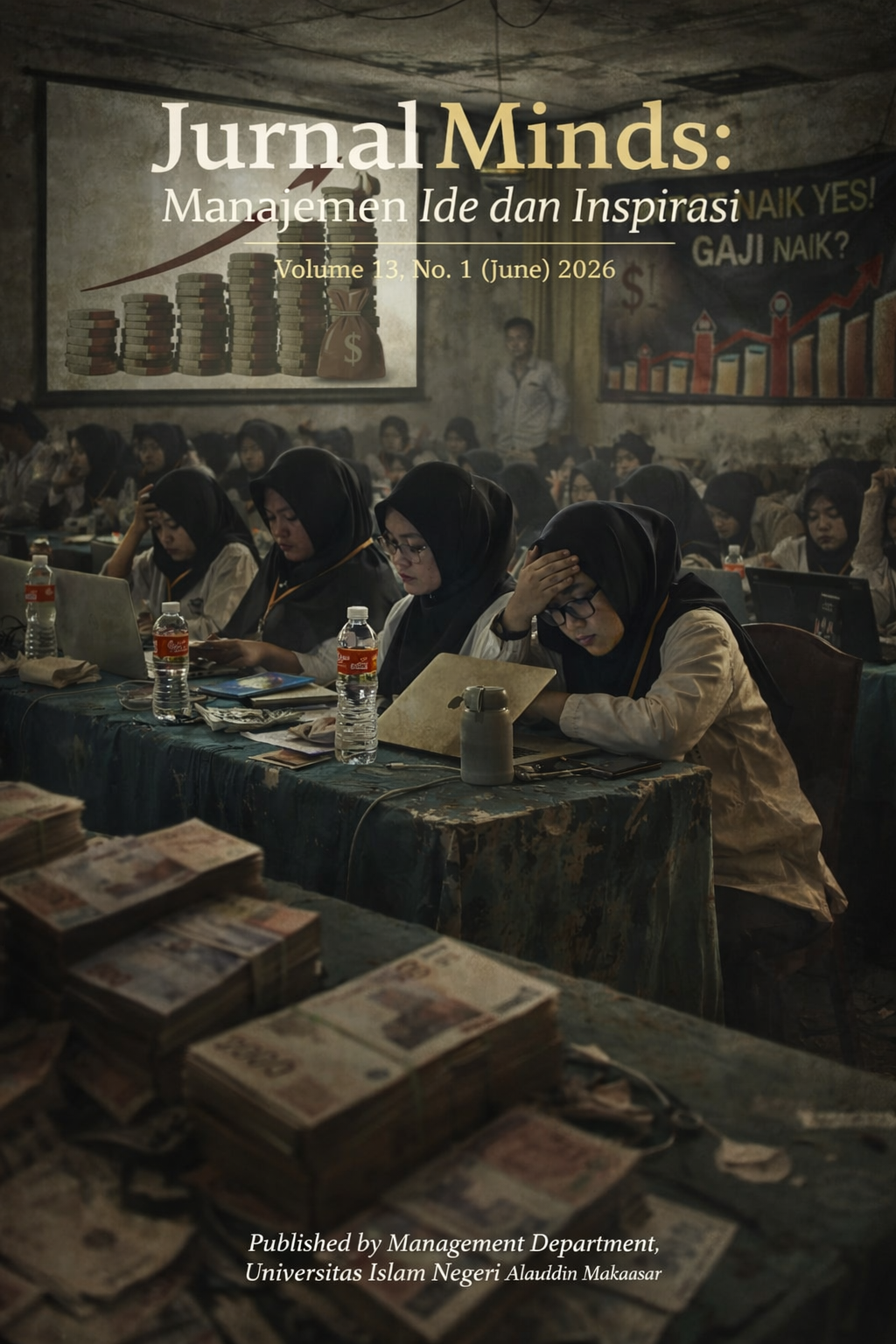
Jurnal Minds: Manajemen Ide dan Inspirasi,
Vol. 13 No. 1 (2026): June
Abstract
This study aims to examine how knowledge management and organizational commitment shape employee performance in higher education, while positioning organizational innovation as a contested mechanism within Resource-Based and Knowledge-Based frameworks. It advances a novel contribution by demonstrating that the strategic value of intangible assets does not necessarily operate through innovation, thereby challenging dominant linear assumptions in organizational theory. Using data from 200 respondents in higher education institutions in West Jakarta, the findings reveal that knowledge management and organizational commitment exert strong direct effects on both innovation and employee performance, while innovation fails to mediate these relationships. This asymmetry indicates that performance is more structurally driven by knowledge integration and organizational attachment than by formal innovation processes, particularly within bureaucratic academic systems. The implication is clear: university leaders must prioritize strengthening knowledge systems and organizational commitment as primary drivers of sustainable performance.
Keywords
Download Citation
Endnote/Zotero/Mendeley (RIS)BibTeX
- Abdullah, I., Rashid, Y., & Umair, T. (2013). Effect of organizational learning and knowledge management practices on organizational performance. Journal of Basic and Applied Scientific Research, 3(5), 34–39.
- Alawamleh, M., Ismail, L. B., Aladwan, K., & Saleh, A. (2018). The influence of open and closed innovation on employees’ performance. International Journal of Organizational Analysis, 26(1), 75–90. https://doi.org/10.1108/IJOA-04-2017-1134
- Alsabbagh, M., & Khalil, A. H. A. (2017). The impact of knowledge management on organizational learning (An empirical study on the education sector in Damascus city). International Journal of Academic Research in Business and Social Sciences, 7(4), 560–578. https://doi.org/10.6007/IJARBSS/v7-i4/2824
- Atturrizky, M. S., & Ekhsan, M. (2024). Pengaruh organizational commitment terhadap employee performance melalui mediasi job satisfaction [The effect of organizational commitment on employee performance through job satisfaction mediation]. Jurnal Muara Ilmu Ekonomi dan Bisnis, 8(1), 164–176. https://doi.org/10.24912/jmieb.v8i1.29106
- Cahyani, R. A., Sundari, O., & Dongoran, J. (2020). Pengaruh komitmen organisasi dan kepuasan kerja terhadap kinerja karyawan (Studi pada Perusahaan Daerah Air Minum (PDAM) Kota Salatiga) [The effect of organizational commitment and job satisfaction on employee performance (Study at PDAM Salatiga City)]. Jurnal Ekobis Dewantara, 3(1), 1–10. https://doi.org/10.26460/ed_en.v3i1.1288
- Cristache, N., Croitoru, G., & Florea, N. V. (2025). The influence of knowledge management on innovation and organizational performance. Journal of Innovation & Knowledge, 10(5). https://doi.org/10.1016/j.jik.2025.100793
- Ganguly, A., Talukdar, A., & Chatterjee, D. (2019). Evaluating the role of social capital, tacit knowledge sharing, knowledge quality and reciprocity in determining innovation capability of an organization. Journal of Knowledge Management, 23(6), 1105–1135. https://doi.org/10.1108/JKM-03-2018-0190
- Hair, J. F., Hult, G. T. M., Ringle, C. M., & Sarstedt, M. (2017). A primer on partial least squares structural equation modeling (PLS-SEM) (2nd ed.). SAGE Publications.
- Komakech, R. A., Ombati, T. O., Kikwatha, R. W., & Wainaina, M. G. (2025). Resource-based view theory and its applications in supply chain management: A systematic literature review. Management Science Letters, 15(4), 261–272. https://doi.org/10.5267/j.msl.2024.6.004
- Kumaravel, V., & Vikkraman, P. (2018). Assessment of knowledge management practices in higher educational institutions in India: A structural equation modeling approach. International Journal of Educational Sciences, 20(1–3), 120–136. https://doi.org/10.31901/24566322.2018/20.1-3.15
- Kristine, E. (2017). Pengaruh kepuasan kerja dan komitmen organisasi terhadap kinerja melalui motivasi kerja pegawai alih daya (outsourcing) di PT Mitra Karya Jaya Sentosa [The effect of job satisfaction and organizational commitment on performance through work motivation of outsourcing employees]. Jurnal Eksekutif, 14(2), 384–401.
- Mailani, D., Hulu, M. Z. T., Simamora, M. R., & Kesuma, S. A. (2024). Resource-based view theory to achieve sustainable competitive advantage: A systematic literature review. International Journal of Entrepreneurship and Sustainability Studies, 4(1). https://doi.org/10.31098/ijeass.v4i1.2002
- Masman, R. R. (2023). Lecturer performance analysis at private universities. Asian Journal of Management, Entrepreneurship and Social Science, 3(1), 598–609. https://doi.org/10.98765/ajmesc.v3i01.304
- Ngoc-Tan, N., & Gregar, A. (2018). Impact of knowledge management on innovation in higher education institutions: Empirical evidence from Vietnam. Economics and Sociology, 11(3), 301–320. https://doi.org/10.14254/2071-789X.2018/11-3/18
- Ntobuo, F., & Keki, R. M. S. (2022). Hubungan antara kepuasan kerja dan komitmen organisasi pada dosen dan tenaga kependidikan di Universitas Muhammadiyah Gorontalo [The relationship between job satisfaction and organizational commitment among lecturers and education staff]. Jurnal Psikologi Manusia Elsia, 1(1).
- Prabowo, T., Noermijati, N., & Irawanto, D. W. (2020). The effect of leadership and work environment on employee performance: Emotional intelligence as a mediating variable. Management Science Letters, 10(8), 1743–1748. https://doi.org/10.5267/j.msl.2019.12.010
- Priansa, D. J. (2018). Perencanaan dan pengembangan sumber daya manusia [Human resource planning and development]. Alfabeta.
- Reno, S. P. (2024). Manajemen pengetahuan dan sumber daya manusia dalam organisasi [Knowledge management and human resources in organizations]. COMSERVA: Jurnal Penelitian dan Pengabdian Masyarakat, 3(11), 4708–4718. https://doi.org/10.59141/comserva.v3i11.1239
- Restuputri, D. P., Masudin, I., Septira, A. P., Govindan, K., & Widayat, W. (2024). The role of knowledge management in improving organizational performance through organizational ambidexterity within uncertainties. Business Process Management Journal, 30(7), 2237–2282. https://doi.org/10.1108/BPMJ-08-2023-0614
- Stoian, M. C., Tardios, J. A., & Samdanis, M. (2024). The knowledge-based view in international business: A systematic review of the literature and future research directions. International Business Review, 33(2). https://doi.org/10.1016/j.ibusrev.2023.102239
- Sugiyono. (2018). Metode penelitian kuantitatif [Quantitative research methods]. Alfabeta.
- Suryawan, I. N. (2022). Fisheries processing strategy in Jakarta in improving employee performance. Jurnal Manajemen, 26(2), 259–276. https://doi.org/10.24912/jm.v26i2.929
- Suryawan, I. N. (2024). Does employee-related factors success mediate to the MSME’s marine products business? Jurnal Manajemen, 28(3), 613–630. https://doi.org/10.24912/jm.v28i3.2119
- Sutrisno, E. (2020). Manajemen sumber daya manusia [Human resource management]. Prenada Media.
- Turulja, L., & Bajgoric, N. (2018). Knowing means existing: Organizational learning dimensions and knowledge management capability. Business Systems Research, 9(1), 1–18. https://doi.org/10.2478/bsrj-2018-0001
References
Abdullah, I., Rashid, Y., & Umair, T. (2013). Effect of organizational learning and knowledge management practices on organizational performance. Journal of Basic and Applied Scientific Research, 3(5), 34–39.
Alawamleh, M., Ismail, L. B., Aladwan, K., & Saleh, A. (2018). The influence of open and closed innovation on employees’ performance. International Journal of Organizational Analysis, 26(1), 75–90. https://doi.org/10.1108/IJOA-04-2017-1134
Alsabbagh, M., & Khalil, A. H. A. (2017). The impact of knowledge management on organizational learning (An empirical study on the education sector in Damascus city). International Journal of Academic Research in Business and Social Sciences, 7(4), 560–578. https://doi.org/10.6007/IJARBSS/v7-i4/2824
Atturrizky, M. S., & Ekhsan, M. (2024). Pengaruh organizational commitment terhadap employee performance melalui mediasi job satisfaction [The effect of organizational commitment on employee performance through job satisfaction mediation]. Jurnal Muara Ilmu Ekonomi dan Bisnis, 8(1), 164–176. https://doi.org/10.24912/jmieb.v8i1.29106
Cahyani, R. A., Sundari, O., & Dongoran, J. (2020). Pengaruh komitmen organisasi dan kepuasan kerja terhadap kinerja karyawan (Studi pada Perusahaan Daerah Air Minum (PDAM) Kota Salatiga) [The effect of organizational commitment and job satisfaction on employee performance (Study at PDAM Salatiga City)]. Jurnal Ekobis Dewantara, 3(1), 1–10. https://doi.org/10.26460/ed_en.v3i1.1288
Cristache, N., Croitoru, G., & Florea, N. V. (2025). The influence of knowledge management on innovation and organizational performance. Journal of Innovation & Knowledge, 10(5). https://doi.org/10.1016/j.jik.2025.100793
Ganguly, A., Talukdar, A., & Chatterjee, D. (2019). Evaluating the role of social capital, tacit knowledge sharing, knowledge quality and reciprocity in determining innovation capability of an organization. Journal of Knowledge Management, 23(6), 1105–1135. https://doi.org/10.1108/JKM-03-2018-0190
Hair, J. F., Hult, G. T. M., Ringle, C. M., & Sarstedt, M. (2017). A primer on partial least squares structural equation modeling (PLS-SEM) (2nd ed.). SAGE Publications.
Komakech, R. A., Ombati, T. O., Kikwatha, R. W., & Wainaina, M. G. (2025). Resource-based view theory and its applications in supply chain management: A systematic literature review. Management Science Letters, 15(4), 261–272. https://doi.org/10.5267/j.msl.2024.6.004
Kumaravel, V., & Vikkraman, P. (2018). Assessment of knowledge management practices in higher educational institutions in India: A structural equation modeling approach. International Journal of Educational Sciences, 20(1–3), 120–136. https://doi.org/10.31901/24566322.2018/20.1-3.15
Kristine, E. (2017). Pengaruh kepuasan kerja dan komitmen organisasi terhadap kinerja melalui motivasi kerja pegawai alih daya (outsourcing) di PT Mitra Karya Jaya Sentosa [The effect of job satisfaction and organizational commitment on performance through work motivation of outsourcing employees]. Jurnal Eksekutif, 14(2), 384–401.
Mailani, D., Hulu, M. Z. T., Simamora, M. R., & Kesuma, S. A. (2024). Resource-based view theory to achieve sustainable competitive advantage: A systematic literature review. International Journal of Entrepreneurship and Sustainability Studies, 4(1). https://doi.org/10.31098/ijeass.v4i1.2002
Masman, R. R. (2023). Lecturer performance analysis at private universities. Asian Journal of Management, Entrepreneurship and Social Science, 3(1), 598–609. https://doi.org/10.98765/ajmesc.v3i01.304
Ngoc-Tan, N., & Gregar, A. (2018). Impact of knowledge management on innovation in higher education institutions: Empirical evidence from Vietnam. Economics and Sociology, 11(3), 301–320. https://doi.org/10.14254/2071-789X.2018/11-3/18
Ntobuo, F., & Keki, R. M. S. (2022). Hubungan antara kepuasan kerja dan komitmen organisasi pada dosen dan tenaga kependidikan di Universitas Muhammadiyah Gorontalo [The relationship between job satisfaction and organizational commitment among lecturers and education staff]. Jurnal Psikologi Manusia Elsia, 1(1).
Prabowo, T., Noermijati, N., & Irawanto, D. W. (2020). The effect of leadership and work environment on employee performance: Emotional intelligence as a mediating variable. Management Science Letters, 10(8), 1743–1748. https://doi.org/10.5267/j.msl.2019.12.010
Priansa, D. J. (2018). Perencanaan dan pengembangan sumber daya manusia [Human resource planning and development]. Alfabeta.
Reno, S. P. (2024). Manajemen pengetahuan dan sumber daya manusia dalam organisasi [Knowledge management and human resources in organizations]. COMSERVA: Jurnal Penelitian dan Pengabdian Masyarakat, 3(11), 4708–4718. https://doi.org/10.59141/comserva.v3i11.1239
Restuputri, D. P., Masudin, I., Septira, A. P., Govindan, K., & Widayat, W. (2024). The role of knowledge management in improving organizational performance through organizational ambidexterity within uncertainties. Business Process Management Journal, 30(7), 2237–2282. https://doi.org/10.1108/BPMJ-08-2023-0614
Stoian, M. C., Tardios, J. A., & Samdanis, M. (2024). The knowledge-based view in international business: A systematic review of the literature and future research directions. International Business Review, 33(2). https://doi.org/10.1016/j.ibusrev.2023.102239
Sugiyono. (2018). Metode penelitian kuantitatif [Quantitative research methods]. Alfabeta.
Suryawan, I. N. (2022). Fisheries processing strategy in Jakarta in improving employee performance. Jurnal Manajemen, 26(2), 259–276. https://doi.org/10.24912/jm.v26i2.929
Suryawan, I. N. (2024). Does employee-related factors success mediate to the MSME’s marine products business? Jurnal Manajemen, 28(3), 613–630. https://doi.org/10.24912/jm.v28i3.2119
Sutrisno, E. (2020). Manajemen sumber daya manusia [Human resource management]. Prenada Media.
Turulja, L., & Bajgoric, N. (2018). Knowing means existing: Organizational learning dimensions and knowledge management capability. Business Systems Research, 9(1), 1–18. https://doi.org/10.2478/bsrj-2018-0001